

Table of Contents
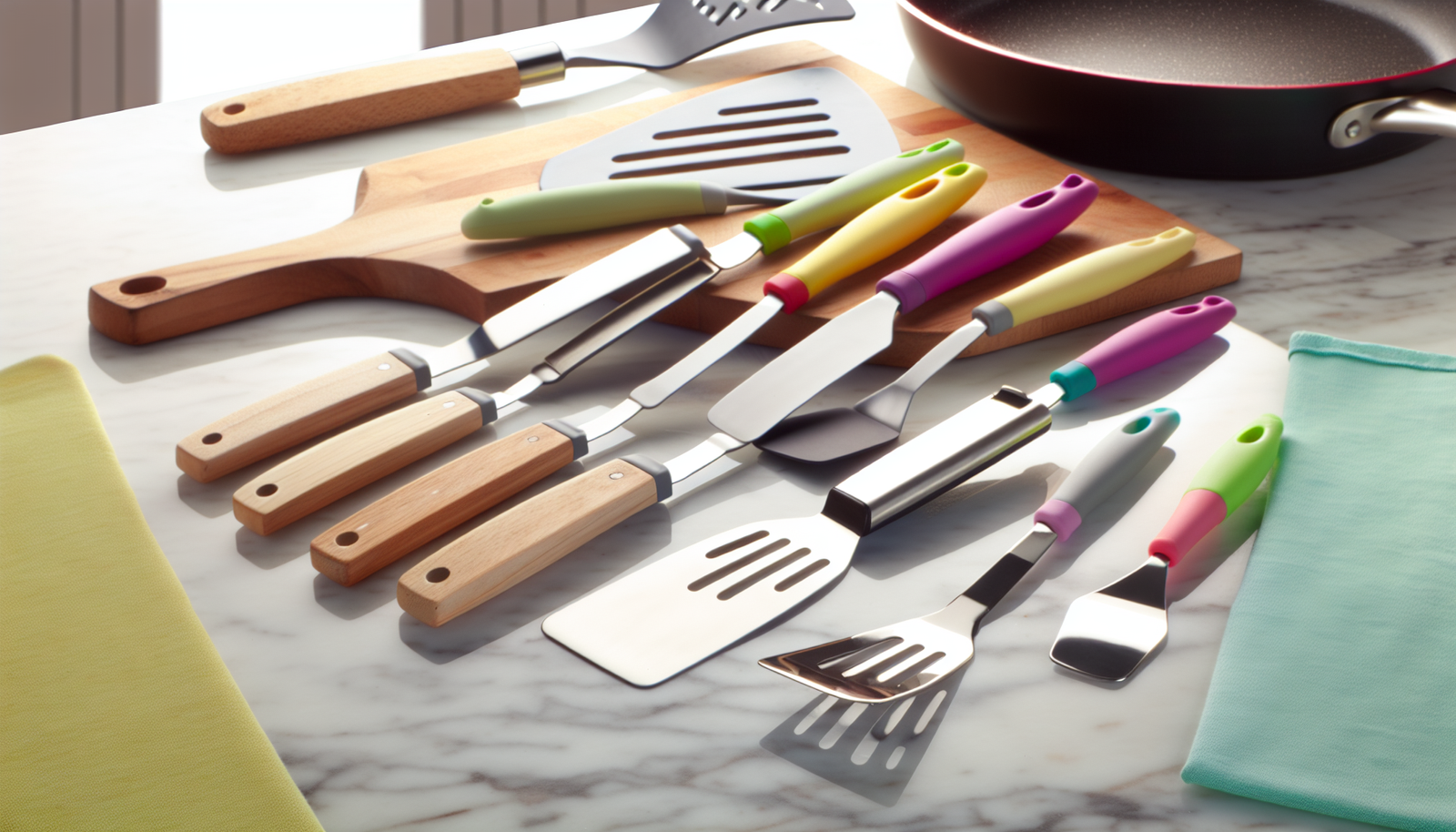
Spatulas are essential kitchen tools ranging from wooden and stainless steel to silicone and rubber. This article explores different spatula types and sets—OXO models, baking and mini spatulas, metal options—and explains which suits specific cooking tasks. You’ll learn how to choose, care for, and evaluate the best spatula sets for durability, safety, and performance in any kitchen.
Types of Spatulas and Material Differences
- Wooden Spatula Set / Wood Spatula: Typically consists of straight or slightly curved blades for mixing, sautéing, and folding. Wood spatulas can vary from paddle-shaped stirrers to flat turners. Their naturally gentle edges are ideal for nonstick cookware.
- Stainless Steel Spatula / Metal Spatula: Most common as slotted or solid “turners”—great for flipping burgers, fish, or pancakes. Offset metal spatulas feature a thin, angled blade for precise lifting and transfer, especially in baking.
- Silicone and Rubber Spatula: Includes classic scraper/spatula styles for bowl scraping, flexible rubber spatulas for folding, and the best silicone spatula sets designed to resist stains and odors. Mini spatula sets cover tasks like jar scraping and detailed icing.
- OXO-Style Spatulas: Refer to spatulas with ergonomic, cushioned handles (often silicone heads and stainless or nylon cores), blending comfort and control for varied kitchen tasks.
- Baking Spatula Set: Usually includes offset metal spatulas (for spreading and lifting) and silicone scrapers (for mixing and folding), designed for the demands of baking and cake decoration.
- Cooking Spatula: A broad term for all spatulas used for stovetop or griddle tasks, from sturdy wood to flexible silicone and robust stainless steel.
- Mini Spatula Set: Tiny versions (narrow or short-handled) in silicone, rubber, or metal, tailored to precision jobs like jar scraping and frosting cupcakes.
- Heat Resistance:
- Food-grade silicone: Up to 600°F (315°C)
- Rubber blends: 400-500°F (205-260°C)
- Wood: Up to 400°F (205°C) before scorching
- Stainless steel: 1500°F (815°C) or higher—won’t melt
- Flexibility & Edge Thinness:
- Silicone and rubber: Most flexible, excel at scraping
- Wood: Gentle but not as thin or flexible as silicone
- Stainless steel: Thin, sharp-edged turners and offset spatulas for precision—but rigid
- Nonstick Friendliness: Wood and silicone are optimal; stainless steel and metal risk scratching coatings.
- Durability:
- Stainless steel: Indestructible except for warping; non-reactive if 18/8 or 430 grade
- Wood: Long-lasting if hand-washed and unsoaked. Look for sealed, food-safe finishes.
- Silicone: BPA-free, doesn’t degrade or retain smells; check for LFGB or FDA food-safe certifications.
- Rubber: May degrade faster and is more porous; confirm food safety.
Comparative Pros & Cons:
- Wood: Preserves cookware; not for high-heat searing; may stain or crack.
- Stainless Steel: Top for flipping and grilling; can scratch nonstick/hardened surfaces; easy cleanup.
- Silicone: High-heat, flexible, perfect for mixing/scraping; not as stiff for flipping dense foods.
- Rubber: Good for scraping but less heat-stable and less durable than silicone.
Best Use-Case Recommendations:
- Nonstick pans: Silicone or wood
- High-heat searing, grilling: Stainless steel turners
- Delicate fish, baked goods lift: Offset or slotted stainless spatulas
- Batter folding, bowl scraping: Flexible silicone
- Jars, fine icing: Mini silicone or rubber spatulas
Takeaways:
- Silicone is ideal for mixing, scraping, and most nonstick pans.
- Stainless steel excels for grilling, frying, and flipping on uncoated cookware.
- Wood is versatile, gentle, and safe for every pan type.
- Choose mini spatulas for jams, spreads, or intricate baking details.
Matching Spatulas to Cooking Tasks and Techniques
- Flipping and Turning: Choosing the right spatula for flipping and turning is crucial for success with foods like pancakes, eggs, and fish. For grilled meats or burgers on a barbecue, a sturdy metal spatula (preferably a slotted stainless steel turner with a thin edge) performs best, providing the strength to lift and release food cleanly. For delicate foods like fish fillets, a flexible, long fish spatula (usually stainless steel) glides easily under the skin without tearing. Remember: avoid metal on nonstick pans—opt for a silicone or nylon turner in those cases.
- Scraping and Folding: When folding batter for cakes or scraping dough from a mixing bowl, a silicone spatula set excels because of its flexibility and gentle touch. Silicone withstands heat and preserves the integrity of nonstick and ceramic bowl surfaces. For scraping jam or nut butter from jars, a mini spatula set with narrow, elongated heads offers precision and eliminates waste.
- Mixing and Spreading: For sautéing vegetables or stirring risotto, a wooden spatula is favored—it won’t scratch pans and offers better control for gentle mixing. For jobs like applying frosting or glazing a cake, a metal offset spatula provides a thin, angled edge for smooth, steady spreading and easy lifting of baked goods.
- Baking and Icing: Baking spatula sets usually mix flexible silicone scrapers (for swirling batter or scraping) with metal offset spatulas (perfect for smooth frosting). Rubber spatula sets can work for light batters but avoid cheap rubber blends at high heat. Choose “food-safe” materials.
- Precision and Jar Work: For extracting every bit of sauce or decorating cupcakes, mini spatulas and rubber or silicone jar scrapers shine, reaching tight corners and providing delicate control.
- Ergonomics and Safety: OXO spatulas and comparable brands feature cushioned grips, making extended use comfortable and reducing slippage if your hands are oily or wet. Straight metal handles offer durability but may heat up or slip, so be cautious near hot oil. Always ensure your handle provides a secure, cool grip—this is especially important for grilling and stovetop tasks.
- Slotted vs Solid Heads: Slotted spatulas drain oils or fats away (ideal for frying eggs or burgers), while solid heads are best for spreading, scraping, and stirring thick foods.
- Recipe-Based Matching:
- Frying eggs: Use a thin-edged, silicone or nylon spatula to lift without breaking yolks on nonstick pans.
- Flipping fish fillets: Stainless steel fish spatula with a flexible, slotted head to keep the fish intact and drain oil.
- Scraping batter from a bowl: Silicone spatula for thorough, gentle scraping without scratching.
- Glazing a cake: Offset metal spatula for even, controlled icing application.
- Scraping jars: Mini silicone spatula set to access tight or narrow spaces and maximize yield.
- Practical Tips: Use metal spatulas only on grills or stainless pans—never nonstick. Stainless fish spatulas are perfect for delicate turning jobs but can scratch soft surfaces. Silicone sets resist heat and staining, while wood is best for gentle mixing and sautéing.
- Quick Decision Checklist:
- What’s the pan? (Nonstick: silicone/wood; Grill/stainless: metal)
- Delicate or sturdy food?
- Need flexibility or strength?
- Oil/fat involved? (Prefer slotted)
- Do you need precise control? (Mini/offset spatula)
Evaluating Spatula Sets and Notable Brands including OXO
- What to expect in a good set:
- Range of sizes: The best spatula sets typically include a small, medium, and large spatula; this covers everything from scraping jars to flipping pancakes. Mini spatula sets are perfect for narrow containers or delicate tasks, while a full-sized turner or offset spatula is essential for pancakes and roasting.
- Flexibility spectrum: Look for a good mix—sturdy metal or wood for heavy lifting, and flexible silicone or rubber for scraping and folding.
- Heat ratings: A quality set should state safe use temperatures; for example, top silicone spatulas withstand up to 600°F, while plastics or cheaper rubbers may only go to 400°F.
- Handle comfort: Ergonomic handles (such as those in OXO’s Good Grips line) help reduce hand fatigue, especially when baking or stirring for extended periods.
- Hanging/storage options: Choose sets with hanging holes or included stands for efficient drying and easy access.
- Materials mix: Many well-rounded sets feature wood, silicone, and metal spatulas, allowing you to match the right tool to the job.
- Brand features to look for:
- Warranty: Reputable brands like OXO offer satisfaction guarantees or product warranties, reflecting faith in longevity and quality.
- Ergonomic handles: OXO is known for its soft, non-slip grips that remain comfortable even when wet.
- Seamless heads: One-piece or seamless silicone spatulas are best for hygiene and easy cleaning (reducing trapped food).
- Removable heads: Some silicone or rubber spatulas combine sturdy handles with removable heads for thorough cleaning.
- Solid metal construction: For fish spatulas and high-heat grilling, a one-piece stainless steel design ensures durability and avoids weak joints.
- Price tiers and what they generally buy you:
- Budget: Basic sets (often plastic or thin stainless steel) suffice for infrequent cooks—expect basic comfort and moderate durability.
- Mid-range: OXO and similar brands blend comfort with long-lasting silicone or hardwood, targeting frequent home cooks.
- Premium: High-grade metal, seamless silicone, or artisan wooden spatulas, often with extensive sets or lifetime warranties, suit bakers and daily chefs demanding longevity.
- Typical set compositions for specialized uses:
- Baking spatula set: Offset spatula, silicone scraper, spoonula, and mini spatula—ideal for batter, icing, and delicate layers.
- Cooking spatula set: Larger silicone turner, metal fish spatula, classic wood spatula, plus a multi-purpose rubber spatula.
- Mini spatula set: Small to micro silicone spatulas for jars, blending, and extracting from blenders.
- Metal spatula (single): Thin, slotted turner or offset spatula perfect for grilling, lifting, or serving pies/quiches.
- How to read product listings and specs:
- Heat tolerance: Choose spatulas rated at least 400°F for cooking; 500–600°F is ideal for robust sauté or grill use.
- Dishwasher safe vs hand-wash: Check instructions—wooden spatulas usually require hand-wash and oiling; silicone and stainless steel may be dishwasher-safe but verify max water temperature.
- Material grade: Look for “food-grade,” “BPA-free,” or surgical stainless steel for safety and reliability.
- Country of manufacture: Some buyers value U.S. or European manufacture for quality control or eco concerns.
- Recommended set types:
- Baker: Premium silicone baking spatula set with flexible heads, an offset spatula, and a narrow scraper—ensures precision and easy clean-up.
- Home cook: OXO spatula set or a mid-range mixed-material set (wood, silicone, stainless), balancing comfort and versatility for daily tasks.
- Outdoor griller: Hefty metal spatula (solid or slotted) and a wood or silicone brush—handles high heat and rugged use, easy to clean.
- Gift buyer: Curated set featuring one attractive wooden spatula, one bright silicone turner, and a mini jar scraper; covers appearance and practicality.
Care Maintenance and Safe Use to Extend Spatula Lifespan
- Cleaning rules by material: Wooden spatulas and sets require gentle hand-washing—never soak as this can cause splitting and warping. Use mild dish soap, lukewarm water, and a soft sponge. Avoid the dishwasher, as high heat and moisture degrade wood fibers. Stainless steel and metal spatulas are usually dishwasher safe, but always check manufacturer guidance; harsh detergents can dull metal, so mild soap is best. Silicone, OXO spatulas, and rubber spatulas may be top-rack dishwasher safe, but lower heat cycles are preferred—high-heat settings can cause rubber and cheaper silicone to warp or become brittle. For spatulas with combined wood or OXO-style handles, hand-wash these components to prolong life. Immediately dry all spatulas thoroughly, especially metal (to prevent rust) and wood (to avoid swelling).
- Sanitization and odor removal: For recurring odors, coat spatula heads with a paste of baking soda and water, rest 15 minutes, then rinse. Vinegar soaks (diluted 1:1 with water) are effective for metal and silicone, but avoid prolonged soaking of wooden parts to prevent swelling or splitting. Never use bleach or caustic chemicals—they degrade surface integrity, especially on silicone, rubber, and wood. Lemon juice can also help neutralize odors, especially after contact with garlic or fish.
- Storage and drying: To prevent warping, rust, and bacterial growth, store spatulas upright in a utensil holder or hang by their handle loops. Let air-dry fully before storing in drawers. Do not leave wooden or OXO-handled tools soaking or resting in damp sinks. Promptly dry metal spatulas to avoid rust; if your set includes removable heads (like some OXO models), ensure all parts dry separately. Do not trap spatulas between other tools under pressure, which can deform silicone or rubber edges.
- Damage signs and replacement triggers: Retire any wood spatula or handle that shows splitting, deep cracks, or fraying. If silicone or rubber spatula heads appear melted, sticky, or torn, replace to prevent food contamination. Stainless steel and metal spatulas should be replaced if you observe persistent rust, bending, or rattling handles. Under normal home use, anticipate replacing silicone/rubber every 2–4 years, wood every 3–5 years (if well cared for), and quality metal utensils once a decade or sooner if damaged.
- Safe-use reminders: Never use metal, stainless steel, or hard-edged spatulas on nonstick or enameled cookware to prevent scratching. Reserve metal spatulas for grill, stainless, or cast iron surfaces. High-heat cooking requires silicone rated 450°F+; avoid resting low-quality rubber or plastic spatulas on hot pans. Inspect before use—loose, wobbling handles increase the risk of slips or injury.
Spatula Maintenance Checklist:
- Hand-wash wood; mild soap for all spatulas; avoid harsh detergents.
- Dry thoroughly after cleaning; never soak wood or leave metal wet.
- Deodorize using baking soda/vinegar (no bleach); avoid long soaks for wood.
- Store upright or hanging, not crammed in dark drawers or damp areas.
- Inspect regularly for cracks, rust, and warping—replace as needed.
- Use only safe materials for nonstick cookware; avoid high heat with rubber/plastic.
Choosing and Buying the Best Spatula Sets for Your Kitchen
- Step-by-Step Shopping Checklist:
- Assess your cooking habits: List the types of recipes and cookware you use regularly—this shapes your core spatula needs.
- Determine preferred materials: Review your existing tools and which surfaces (e.g., nonstick, cast iron) you use most before favoring silicone, wood, stainless, or hybrid sets.
- Set composition: Decide if you want a compact set (2–4 pieces) or a comprehensive kit (5–7+). Consider the need for flexible turners, scrapers, jar spatulas, or offset styles for specialty use.
- Budget: Plan a realistic spending range—starter sets can be budget-friendly, while premium or specialty brands (like OXO) cost more due to design and material upgrades.
- Brand & unique features: Check for ergonomic grips, seamless construction (for hygiene), or features like replaceable heads and hanging holes.
- Heat rating: Look for a minimum 400°F resistance for silicone spatulas; prioritize stainless for grilling or searing tasks.
- Dishwasher safety: Ensure the set or pieces are fully dishwasher-safe—or note if any require hand-washing (often wood handles).
- Set Scenarios & Product Types:
- Starter Home Cook Set (2–4 pieces): Go for a basic silicone spatula, a wooden turner, and a small scraper. OXO silicone sets are excellent for versatility and comfort.
- Baking Set: Select a high-flex silicone spatula, narrow jar spatula, and at least one mini scraper; prioritize seamless, easy-to-clean models.
- Professional/Serious Home Cooks: Invest in a stainless-steel slotted turner, sturdy silicone scraper, offset spatula for baking, and a flexible metal spatula for grills.
- Mini Spatula Set: Look for sets explicitly labeled “mini” or “jar spatula set” for precise tasks—these are great for jars and even cosmetic use.
- Individual vs. Set—Prioritization Tips:
- Multi-piece sets deliver up-front savings; individual specialty tools fill specific gaps when your cooking evolves.
- Begin with a combo of a sturdy turner, flexible scraper, and one specialty item (offset or jar spatula, depending on your baking/cooking frequency).
- Search & Purchase Strategies:
- Use search phrases like “best silicone spatula set,” “wooden spatula set kitchen,” “OXO spatula set,” or “baking spatula set” for targeted results.
- Compare core specs—dimensions, weight, ergonomics—especially handle shape and balance for fatigue-free use.
- Read user reviews for durability signs (avoiding spatulas that warp, stain, or split quickly).
- Look for strong warranties or replaceable parts if planning for heavy, frequent use.
Suggested Shortlist for New Collections:
- 1. Silicone multi-use spatula (high-heat, seamless design)
- 2. Stainless steel slotted turner (for grilling, high-heat, or flipping delicate items)
- 3. Offset spatula (great for bakers and general serving tasks)
- 4. Narrow or mini jar spatula (for jars, scraping small vessels, cosmetic kitchen use)
- 5. Sturdy wood spatula (ideal for sauté or use on sensitive cookware)
Meta description: Choose the best spatula sets for your kitchen with our step-by-step buying guide for 2025—find the right wooden, silicone, stainless, OXO, and mini spatula sets for every cooking scenario.
- kitchen spatula set
- best silicone spatula set
- OXO spatula set
- mini spatula set
- wooden spatula set
Conclusions
Choosing the right spatula set improves cooking efficiency and protects cookware. By comparing materials—wood, stainless steel, silicone and rubber—and considering tasks, brand features like OXO ergonomics, care requirements and set composition, you can build a versatile collection. Use the buying checklist and maintenance tips to extend lifespan and performance so your spatulas remain safe, effective, and suited to every recipe.
For more products reviews click here.