

Table of Contents
Whether you’re zesting a lemon for a fragrant dessert, grating Parmesan over pasta, or shredding vegetables for a quick dinner, graters and zesters are among the most important tools in a home kitchen. They impact flavor, texture, cooking time, presentation, and even ingredient efficiency. With the right graters and zesters, everyday tasks become faster, cleaner, and far more enjoyable. This in-depth guide explores everything you need to know: tool types, best uses, cleaning, safety, troubleshooting, and how to choose the perfect tool for your needs.
1. What Are Graters and Zesters? Understanding Their Purpose and Design
A Tool for Transforming Texture
At their core, graters and zesters are designed to reduce ingredients into smaller, finer, or decorative pieces. They come in many forms—box graters, rasps, rotary graters, Microplanes, channel zesters, and ribbon graters. Each one produces a different texture, making them incredibly versatile in cooking, baking, and food preparation.
How They Work
The working surface of graters and zesters consists of sharp perforated blades that slice ingredients cleanly. Instead of crushing food, the angled micro-blades shave off thin layers. This preserves ingredients’ aroma, moisture, and integrity. For example:
Citrus zest becomes fluffy and aromatic.
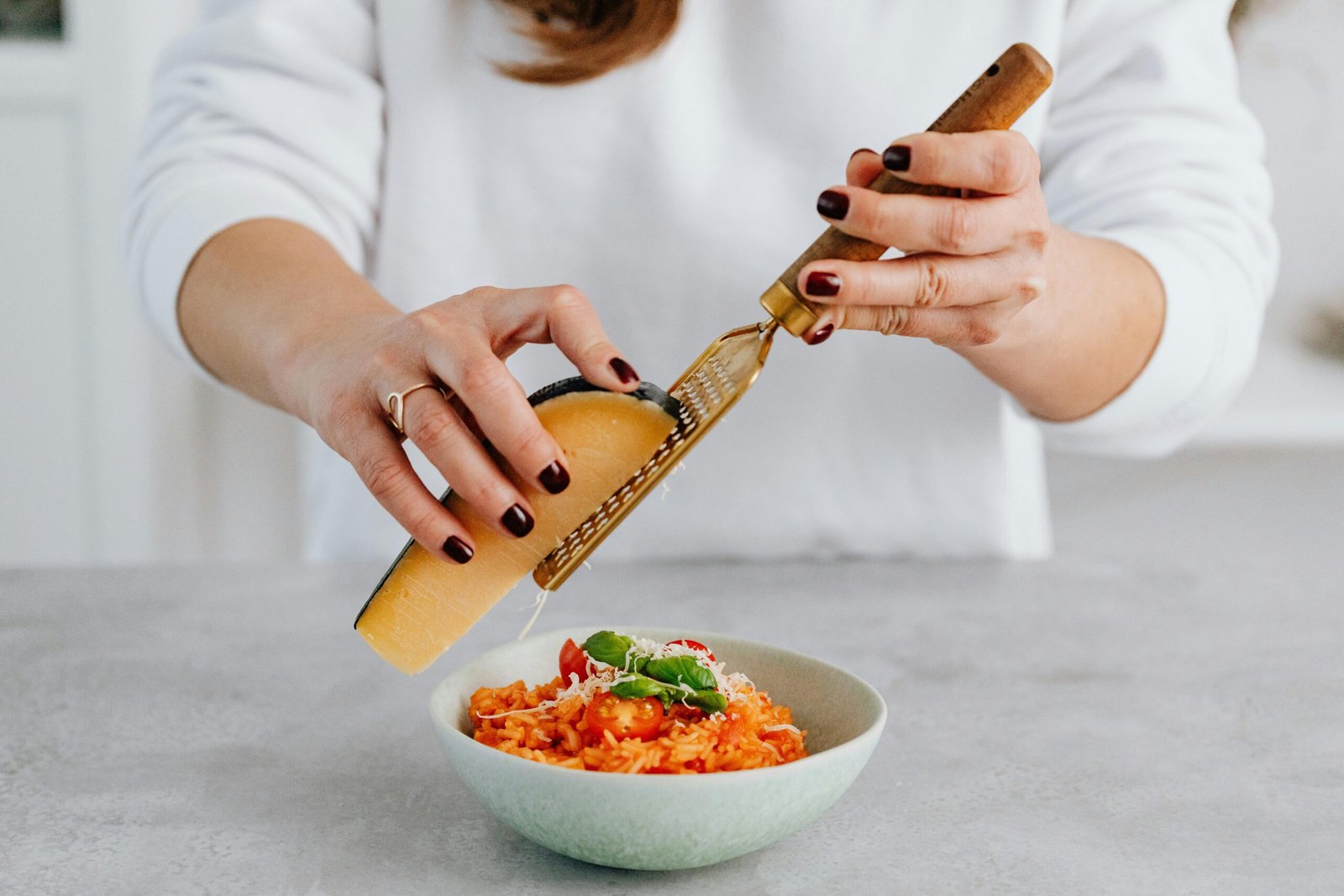
Parmesan turns into delicate snow-like shavings.
Chocolate becomes fine curls or powder for baking.
Why Materials Matter
Most high-quality graters and zesters are made from stainless steel. Stainless steel resists rust, doesn’t react with acidic foods, and maintains sharpness. Laser-cut blades stay sharper longer, while stamped blades may dull over time. Handles made from silicone, wood, or reinforced rubber add comfort and stability.
2. Types of Graters and Zesters and Their Best Uses
Microplane Zester
Perfect for:
Citrus fruits
Hard cheeses
Garlic and ginger
Nutmeg
Chocolate
Microplane models are widely considered the most efficient graters and zesters for fine, feathery results.
Channel Zester
Best for:
Cocktail garnishes
Citrus decorative strips
Four-Sided Box Grater
The most versatile style among graters and zesters. Sides typically include:
Coarse grater for cheese and vegetables
Medium grater for salads and slaws
Fine grater for zest and spices
Slicing blade for potatoes, cucumbers, and zucchini
Two-Sided Flat Grater
Ideal for kitchens with limited space. Good for:
Quick shredding
Occasional cheese grating
Paddle-Style Grater
Lightweight and easy to store, ideal for small amounts of cheese, chocolate, or spices.
Rasp Grater
Known for producing extremely fine shavings. Excellent for:
Hard cheese
Chocolate
Fresh spices
Ribbon Grater
Creates wide, thin strips of chocolate or vegetables—ideal for salads and baked goods.
Rotary Grater
A safe option for grating hard cheese. Food goes into a chamber and a handle rotates the blade.
Using a mix of graters and zesters allows you to produce a wide range of textures in your cooking.
3. Choosing the Right Graters and Zesters for Every Kitchen Task
The ideal choice depends on your most frequently used ingredients and texture preferences.
Questions to Consider
How often do you grate or zest?
Daily users should choose high-quality stainless steel.Which foods do you grate most?
Citrus: Microplane
Parmesan: rasp grater
Soft cheese: box grater
Chocolate: ribbon grater
Do you need dishwasher-safe tools?
Some graters and zesters must be hand-washed to protect their edges.Is comfort important?
Ergonomic handles reduce wrist strain.Is storage limited?
Paddle and flat models save space.Do you need safety features?
Look for non-slip bases, food pushers, and blade guards.
Scenario-Based Recommendations
Citrus Zesting
Choose a Microplane. Among all graters and zesters, it creates the fluffiest, most aromatic zest without hitting the bitter pith.
Hard Cheese Grating
Rasp graters produce the fine, snow-like texture that melts beautifully.
Soft Cheese Shredding
Use the coarse side of a box grater.
Vegetable Preparation
Box graters are the best all-purpose option.
Chocolate and Dessert Garnishes
Ribbon-style graters and zesters create elegant curls and shavings.
Nutmeg & Spices
A micro rasp works best for aromatic spice dust.
A balanced selection of graters and zesters enhances efficiency and consistency in your kitchen.
4. Techniques for Clean Zesting and Efficient Grating
Even the highest-quality graters and zesters require proper technique to get the best results.
Zesting Citrus Correctly
To use graters and zesters on citrus:
Wash and dry the fruit completely.
Hold the tool firmly in one hand.
Gently glide the fruit across the blades.
Rotate the fruit often to avoid the white pith.
Tap the back of the zester to release trapped zest.
This technique preserves essential oils and prevents bitterness.
How to Grate Cheese Smoothly
Chill soft cheese before grating.
Use a cutting board for stability.
Apply light pressure—let graters and zesters do the work.
Rotate cheese frequently for even pieces.
Consistent strokes produce fluffy, uniform shreds.
Vegetables & Root Crops
Carrots, potatoes, zucchini, onions, and squash all grate well when you:
Maintain a stable grip
Use the right hole size
Keep fingers safe by stopping early or using a guard
A sturdy box model is the most effective among graters and zesters for bulk vegetable prep.
Spices, Chocolate, and Aromatics
Use fine rasp tools for:
Nutmeg
Cinnamon
Chocolate
Garlic and ginger
Freshly grated spices have stronger aroma and better flavor release.
5. Cleaning, Maintenance, and Storage
Proper care extends the life of your tools significantly.
Cleaning Tips
After each use:
Rinse under warm water immediately.
Use a small brush to remove trapped particles.
Avoid abrasive scrubbers—they dull blades.
Hand-wash fine Microplane models.
Moisture can dull teeth, so always dry graters and zesters thoroughly.
Deep Cleaning
If food dries onto the surface:
Soak briefly in warm, soapy water.
Use a toothpick to clear difficult holes.
Never scrape with metal utensils.
Maintenance
Apply mineral oil before long-term storage.
Replace bent or dull tools promptly.
Use blade covers to prevent accidental cuts.
Storing graters and zesters vertically or in protective sheaths preserves blade quality.
6. Safety Tips
Because the blades are extremely sharp, safety is essential.
Important Guidelines
Wear cut-resistant gloves when grating small items.
Always grate away from the body.
Stop before reaching the final inch of the ingredient.
Use a food holder for soft or small foods.
Keep tools on a stable surface.
Quality graters and zesters reduce slip-risk and improve control.
7. Troubleshooting Common Problems
Food Sticking
Solutions:
Dip the tool in cold water
Chill the ingredient
Tap lightly to release shavings
Uneven Texture
Adjust:
Hole size
Pressure
Angle of motion
Dull Blades
Dull graters and zesters should be replaced because sharpening them is impractical.
Rust Formation
Remove rust with baking soda paste
Fully dry after washing
8. Buying Guide:
Build Quality
Stainless steel materials
Laser-cut blades
Reinforced handles
Non-slip silicone feet
Performance
Smooth cutting without dragging
Multiple blade options
High stability during use
Ergonomics
Soft-grip handles
Balanced weight
Wrist-friendly design
Safety
Blade guards
Slip-resistant bases
Finger protection
Longevity
Warranty
Replacement parts
Durable construction
Choosing well-designed graters and zesters ensures long-term kitchen performance.
9. Why Graters and Zesters Improve Everyday Cooking
Great cooking depends on texture. With the right graters and zesters:
Zest becomes more aromatic
Cheese melts more evenly
Vegetables cook faster
Chocolate garnishes look smooth and elegant
Fresh spices add depth and aroma
They help transform simple meals into visually appealing, restaurant-quality dishes.
Conclusion
Mastering graters and zesters means mastering texture, flavor depth, presentation, and efficient meal preparation. When you choose the right tools, care for them properly, and use the correct techniques, your cooking improves dramatically. Durable, well-designed graters and zesters make everyday tasks quicker, safer, and more enjoyable—helping you elevate everything from simple salads to gourmet desserts.
Invest in quality, maintain your tools regularly, and let graters and zesters bring professional polish to your kitchen for years to come.
For more products reviews click here.
thc relaxation gummies crafted for calm balance