

Table of Contents
Explore the world of utensil holders — ceramic crocks, wooden caddies, marble and gold accents, and branded favorites like Mackenzie-Childs and Le Creuset. This guide covers types, materials, brand highlights, styling ideas, buying tips and care so you can pick a large or compact holder that fits your cooking needs and elevates your countertop.
Defining utensil holders and how to pick the right type
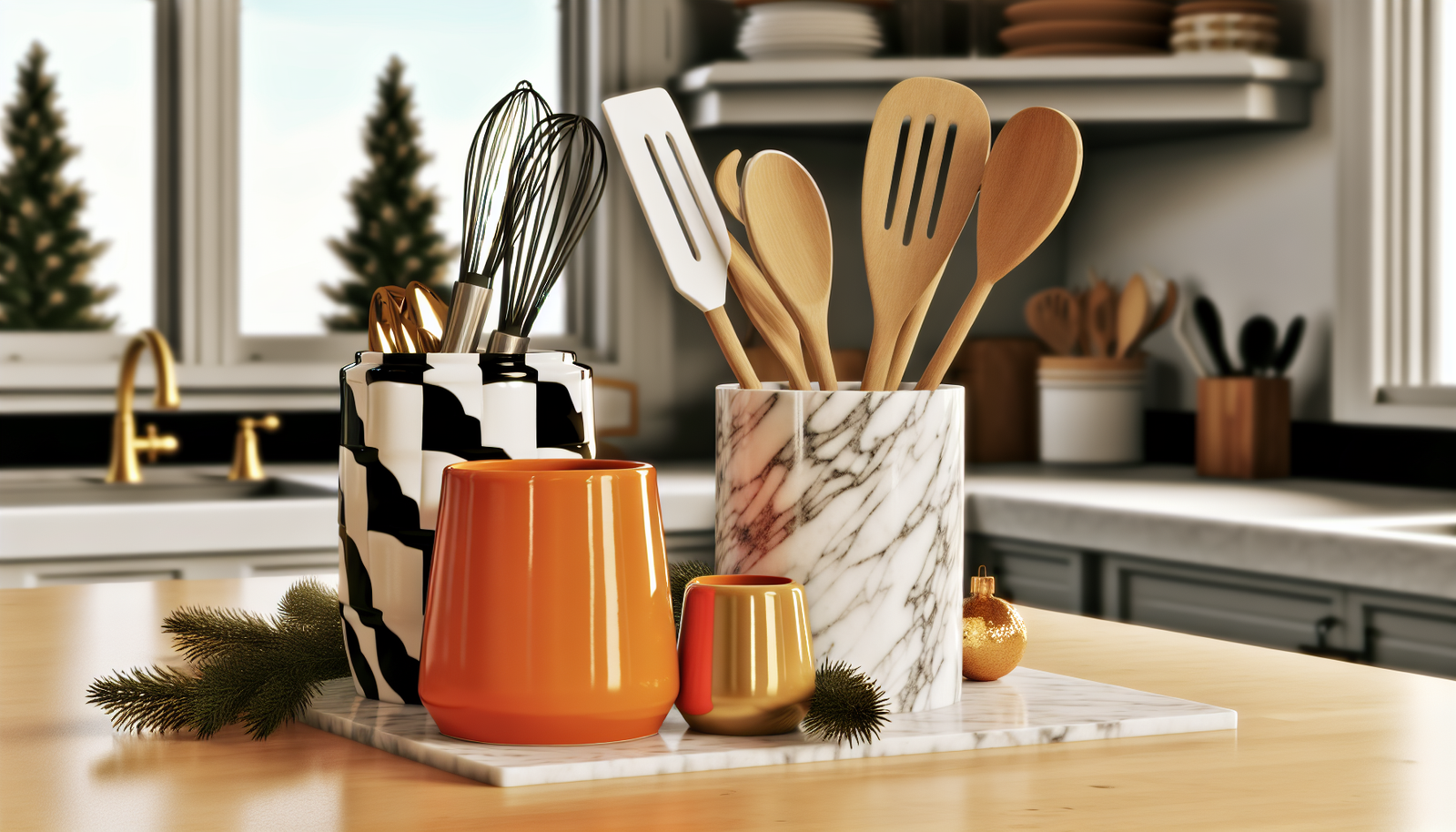
A utensil holder is an essential piece of kitchen organization, designed to keep everyday tools—like spatulas, spoons, and whisks—within arm’s reach. The most classic version is the utensil crock, typically a wide-mouthed cylinder that sits on your counter, letting you quickly grab tongs or ladles while cooking. Brands like Le Creuset and Mackenzie-Childs are beloved for their durable and beautiful ceramic crocks; for example, the Courtly Check pattern offers a striking designer touch, while the classic Le Creuset crock (about 5.25″ diameter and 6.75″ tall) fits 10-15 standard utensils.
A utensil organizer, in contrast, often refers to divided storage for drawers—like bamboo or plastic trays for flatware or specialty cutlery. These help separate item types, versus the open utensil holder or crock, where tools mix together for fast access. Opt for a countertop crock when you need rapid access to heat-resistant tools mid-cook; choose an organizer if you have a high volume of smaller items or want tidy separation.
A utensil set with holder bundles coordinated kitchen utensils—usually silicone or stainless steel—with a countertop holder, combining storage and matching aesthetics. For parties or events, a utensil holder for party with multiple compartments or portable tote design is best, making it easy for guests to grab flatware or napkins.
For capacity, a large utensil holder is generally over 7″ tall and can be 5–6.5″ in diameter. That means it holds 12–20 utensils, ideal for avid home cooks. Always measure your intended countertop space: leave at least 2″ clearance on all sides for fuss-free access and cleaning.
Function dictates your pick: cooking utensil holders need to handle hot tools and possible splatters, while party use calls for portability and compartments. Utensil organizers excel in drawers for neat sorting.
Before buying, ask:
- What material fits my style and cleaning needs—ceramic, wood, marble, or metal?
- Is the base stable and heavy enough to resist tipping?
- Will the weight of a full crock strain my countertop?
- Is it dishwasher-safe or hand-wash only?
- Does it have adequate drainage (esp. for wet utensils)?
- Does the price match my budget for everyday use or a unique piece?
Luxury brands (like Mackenzie-Childs for statement looks, Le Creuset for timeless durability) and retailers like Walmart for budget-friendly crocks mean there’s a countertop utensil holder for every kitchen and occasion.
Material guide and the pros and cons of ceramic wood marble and metal
Ceramic/Stoneware Utensil Holders
Ceramic is classic for a reason: it’s substantial and weighty, so your ceramic utensil holder—including premium picks like the Le Creuset utensil holder—won’t tip easily, even when loaded with stainless tools. Le Creuset stoneware crocks are highly durable and dishwasher-safe, making them low maintenance. Watch for chipping if treated roughly. Glazed ceramic finishes (like white utensil holders classics) fit modern, traditional, or luxury kitchens.
- Pros: Excellent stability, easy cleaning, huge color/style variety, generally food-safe glazes, ideal for daily cooking use
- Cons: Can chip if dropped; weight may be heavy for frequent moving; not all styles are microwave-safe
Hand-Glazed Porcelain/Designer Finishes
Hand-painted pieces like Mackenzie-Childs Courtly Check utensil holder or holiday/Christmas utensil holder designs are artful focal points. Porcelain is similar to ceramic but lighter; hand-glazing adds unique texture and display appeal.
- Pros: High-end, unique styling; great for styling or themed kitchens (Christmas, party); fair durability
- Cons: Expensive, best treated as decorative; hand-wash recommended, glazes may crackle over time
Wood & Teak Utensil Holders
A wood utensil holders or teak utensils holder brings organic warmth and is lighter than ceramic or marble, but still sturdy. Wood is best in farmhouse, vintage, or Scandinavian settings.
- Pros: Gentle on utensils, visually warm, less likely to break if dropped
- Cons: Hand-wash only; may warp or retain odors; needs oiling to prevent drying/cracking
Marble Utensil Holders
A marble utensil holder is the ultimate luxury pick—heavy, cool to the touch, and tremendously stable on the countertop. Marble suits modern, classic, and glam kitchens.
- Pros: Impossible to tip, chic statement, keeps utensils upright
- Cons: Must seal occasionally to avoid staining; heavy; sometimes costly; hand-wash only
Stainless Steel and Bronzed Metal
Often found in pro kitchens, stainless is ultra-durable, light, and modern. Bronzed finishes or powder-coating add vintage or industrial flair.
- Pros: Dishwasher-friendly; durable; rust-resistant (quality stainless); affordable options abound
- Cons: Can show watermarks/fingerprints; lightweight styles may tip
Gold-Plated or Accented Utensil Holders
A gold utensil holder or holder with gold trim elevates countertop chic for parties or holidays.
- Pros: Decorative, catches the eye, perfect for party or themed setups
- Cons: Requires careful handling; not dishwasher-safe; abrasive cleaning ruins finish
Comparative Recommendations:
- Heavy daily cooking: Ceramic utensil holder (like Le Creuset), stainless steel
- Showpiece/styling: Mackenzie-Childs, marble, gold utensil holder
- Kitchen parties or Christmas: Hand-glazed porcelain, gold/metallic holders, decorative wood
- Budget pick: Stainless steel, basic white utensil holder (Walmart)
Stay mindful that each material not only defines function, but shapes the look and feel of your utensil crock, whether you prefer timeless, trending, or seasonal styles.
Brand highlights and where to find quality options
Mackenzie-Childs utensil holders, particularly the iconic Courtly Check hand-glazed ceramic, are statement pieces that merge function with whimsical artistry. Each holder boasts a high-gloss, checked surface and distinct, slightly irregular silhouette. Sizes typically run 5.5-6″ diameter and height—a bit wider than most, accommodating sizeable kitchen utensil sets. Price range is $88-$125. They add splashy character and shine especially for collectors or for those styling vintage and eclectic kitchens. Pros: hand-finished, highly decorative, durable for countertop display. Cons: high price point, hand-wash only, may chip if dropped.
Le Creuset offers stoneware utensil crocks in multiple colors (from Flame Orange to White and Marseille Blue), perfect for fans of classic, sturdy design. These typically measure 5.1″-6.2″ in diameter and 6.7″ tall (smaller/large sizes available, up to 2.75 quarts). Price ranges from $29.95-$54.95. Pros: oven, microwave, and dishwasher safe; non-porous enamel resists stains. Cons: less decorative variety; heavier weight means less mobility. Reliability makes them ideal for daily cooks seeking a Le Creuset utensil holder that matches existing cookware.
For budget-friendly or mass-market options, Walmart provides ceramic, glass, and metal crocks, as well as utensil set with holder bundles (often $8-$30). You’ll also find seasonal Christmas utensil holders and large utensil organizers. Pros: affordability, wide availability, diverse styles (classic white, clear glass, stainless, even novelties). Cons: thinner materials, less long-term durability, variable finishing. For rental kitchens or first homes, a walmart utensil holders is a pragmatic pick.
For artisanal appeal, investigate handcrafted wood utensil holders options from brands on Etsy or direct woodworking studios. Look for American walnut, maple, or teak—each offers warmth and unique grain. Prices range $35-$90+ for solid builds, with vintage utensil holder finds on eBay or antique shops often starting at $20. Pros: one-of-a-kind, tactile, complements farmhouse or organic-modern décor. Cons: limited dishwasher use, may require oiling, handmade means variable sizing.
For luxury and modern designs, marble utensil holders and gold-accented crocks are found at Williams Sonoma, Pottery Barn, or artisan sellers. Prices start near $45 and quickly climb for premium marble or gold-detailed finishes. Pros: striking presence, heavy counter stability. Cons: cost, weight, care requirements.
Tips for Online Shopping:
- Always verify interior diameter and height (measure your longest utensil).
- Check for real user photos—factory shots can mislead on scale and color.
- Review return policies, especially for handmade or heavy marble pieces.
- Search for “Mackenzie Childs utensil holder”, “Le Creuset utensil holder”, or “utensil set with holder” for targeted results.
Function meets design how to style and place your utensil holder
Where you place a countertop utensil holder can drastically impact your kitchen’s flow. **Always position** your utensil crock in a clear “workflow zone”—ideally halfway between sink and stove for easy access whether stirring at the burner or prepping by the sink. Ensure at least 3-5 inches clearance from the stovetop to protect tools and keep surfaces uncluttered. For busy cooks with multiple kitchen utensils, cluster holders of different heights for balance—use a large utensil holder for long spatulas, and a smaller one for whisks or tasting spoons.
Styling is half the fun. For a cozy **farmhouse** look, cluster a chunky wood utensil holder or a white utensil holder near cutting boards and earthenware bowls; accent with *fresh-cut herbs* or *linens in muted plaid*. The **modern luxe** kitchen pairs a marble utensil holder or gold utensil holder with streamlined silicone utensils—think Le Creuset’s stoneware paired with matte silvers and blacks, finished with a *sleek tray underneath* for extra polish. Or embrace **eclectic/vintage** charm with a Mackenzie-Childs utensil holder featuring Courtly Check next to colored glass jars for an artful vignette.
Match form and function when selecting utensils. Pair wooden spoons with a wood or white ceramic utensil holder for a cohesive, inviting vibe. Combine stainless tools and spatulas with a marble or gold piece for contemporary appeal. With utensil organizer sets, consider purchasing a utensil set with holder in one style for instant harmony.
For festivities, style a special Christmas utensil holder filled with red and green spatulas and *sprigs of pine*, or organize a utensil holder for party use with disposable cutlery in a multi-section organizer.
To capture your look for social media, **group utensils by color or material**, and shoot with *soft daylight and minimal clutter*. For maximum “wow,” sprinkle a few ingredients—like berries or citrus slices—around your countertop utensil holder.
Checklist for matching a holder to your kitchen and cooking patterns:
- What’s my dominant style? (Farmhouse, modern luxe, eclectic, minimalist)
- How many utensils do I use daily—do I need a large utensil holder?
- Which materials best suit my cleaning and durability needs—ceramic, wood, marble, metal?
- Do I want a festive/seasonal option like a Christmas utensil holder or utensil holder for party?
- Are the dimensions right for my counter space and utensil length?
Care maintenance and smart buying checklist
Caring for your utensil holders is essential for both hygiene and appearance, and the right maintenance routine depends on material and brand specifics. Always consult specific care guidelines from the manufacturer or retailer—especially when investing in a notable piece like a MacKenzie-Childs utensil crock or a Le Creuset stoneware utensil holder.
- Ceramic/Stoneware: Hand-wash with mild detergent and soft cloth; avoid scouring pads. For hand-glazed or painted pieces (e.g., MacKenzie-Childs Courtly Check), never soak or put in dishwasher unless labeled “dishwasher safe.”
- Marble Utensil Holder: Wipe with damp cloth, dry immediately. Apply a food-safe marble sealer annually to prevent staining. Avoid acids and citrus near the surface.
- Wood Utensil Holder: Clean with slightly damp cloth, never fully submerge. Dry thoroughly, and condition monthly with food-grade mineral oil (e.g., Howard Products Mineral Oil) to prevent cracking and water rings.
- Gold Accents/Bronzed Metals: Use a soft damp cloth only. To prevent tarnish on gold utensil holders, avoid cleaners with ammonia or bleach. For bronzed pieces, mild soap and immediate drying are best.
Troubleshoot:
- Chipping/staining on stoneware: Touch up with a porcelain repair kit and treat stubborn stains with a baking soda paste.
- Wood water rings: Buff lightly with fine steel wool and reapply mineral oil.
- Metal tarnish: Use manufacturer-approved polish and dry thoroughly to prevent surface damage.
Smart purchase checklist:
- Confirm dimensions: Will it fit your utensils (height and diameter)?
- Check if “dishwasher safe” if you prefer easy cleaning.
- Stability/weight: Heavy enough to prevent tipping.
- Drainage or venting: Essential for wet utensils (especially for utensil organizer styles).
- Number of compartments: Single or divided (for utensil sets with holder/utensil organizer).
- Price range and warranty: Balance style with durability—brands like Le Creuset and Mackenzie-Childs usually include a 5-year or limited lifetime warranty.
Sustainability/longevity:
- Choose durable (ceramic, marble, wood) over plastic for longevity.
- Repair minor chips or stains before replacing an item.
- For vintage utensil holders, check thrift stores or online marketplaces—a sustainable and stylish choice.
Recommendations by buyer type:
- Busy home chef: Dishwasher-safe stoneware (Le Creuset countertop utensil holder).
- Minimalist: White ceramic utensil crock or sleek marble utensil holders.
- Budget: Simple kitchen utensil holder from Walmart, preferably stainless steel or plastic.
- Gift buyer (holidays): Festive Christmas utensil holder or MacKenzie-Childs designer crock.
- Party host: Compartmented utensil organizer or gold utensil holder for buffet styling.
Conclusions
Choosing the right utensil holder comes down to material, capacity and style. Ceramic and stoneware offer durability and brand polish, wood brings warmth, marble and gold add luxury, and organizers improve function. Match scale to your countertop, follow care tips per material, and select trusted brands or budget alternatives to balance aesthetics and everyday performance.
For more products reviews click here.